
By Alissa Kufahl - Character Artist & Animator
The process of character modeling and animation work hand in hand. Without character models in video games, games would feel more like lifeless environments and can make it harder for the player to feel immersed. When going about the process of making a character model, you first have to figure out the concept or goal for what you want the character to look like. For the game Esquelito, the goal was to make sure that the characters were each filled with life and unique personality traits while also appropriate for Mexican culture.
The first step for character modeling after knowing the concept and goal is to figure out what the character you’re designing is doing. Is it the player, an enemy or an NPC? Are they protagonists or antagonists? How do you want the player to perceive the character when encountering them? All these factors are important when making a character. For example, looking at the luchador enemy for Esquelito, I first thought of the main idea of the character. I wanted this guy to be big, so drawing the initial sketches, I thought of proportions, color schemes, and personality traits I wanted the character to embody. Sketching out a character can take time, and any idea can be a good idea, but it needs to be put on paper. For making the design for the luchador, there was a lot of trial and error, but once the silhouette of the character was realized, the research of outfits and inspiration really came into play. The luchador character took inspiration from real luchador costume designs and the messaging behind why they wear what they do.
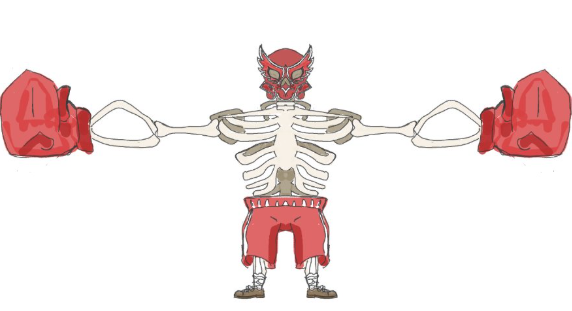
Luchador concept art
After the initial design of the character has been realized, the next step is to understand how to transfer it into the style of your game. In this instance, it is going to be in 3D. For Luchador, the process was mainly focusing on how to model the ribs and spine for the character and how the process of rigging would go about. Before modeling the character, it is important to understand the measurements of all of the characters, so things remain in proportion. Once that is realized, the modeling process can begin. In order to make the details come out properly and cleanly, it is important that the base is set up correctly.
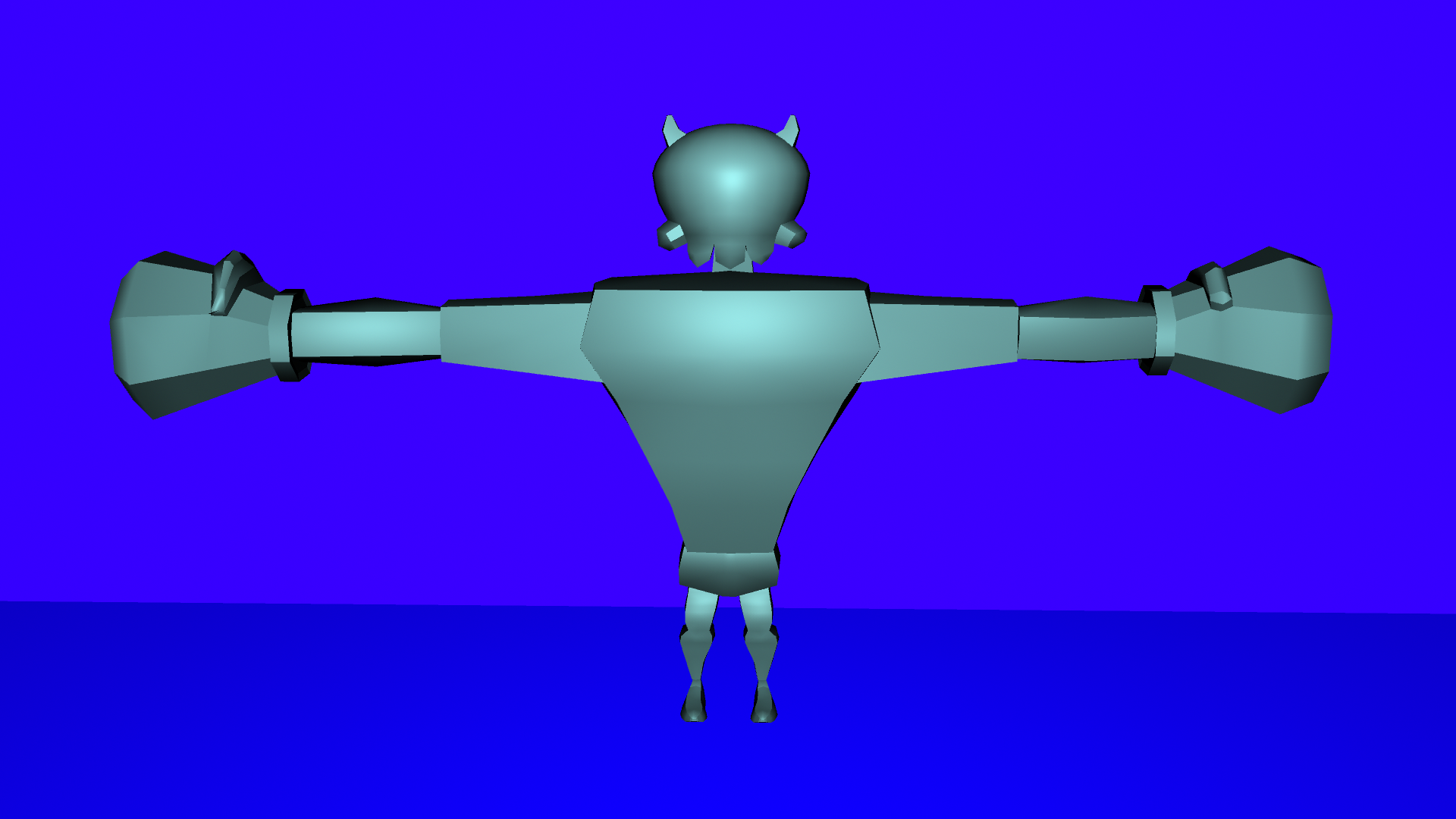
Luchador Basic Model
Another aspect to consider when making your first layout model is to make sure that the character is ready for future steps such as rigging and animation. If there is a part of the model that is unable to be rigged properly or modeled in the desired style, you may have to go back to the initial character design and adjust it. This process should be fast since this is the set up for the next step of making the character model.
After the basic model is completed, the details and final modeling can happen. This is where the poly counts can increase, and details such as clothing, hair, or facial features can be seen. For the luchador in particular, bones and clothes were added. However, even in the final modeling stage it may be necessary to tweak proportions, but it should not be severe. Typically for final models, the steps for skin weighting and rigging also are then applied so that the animators can take the model and begin animating it.
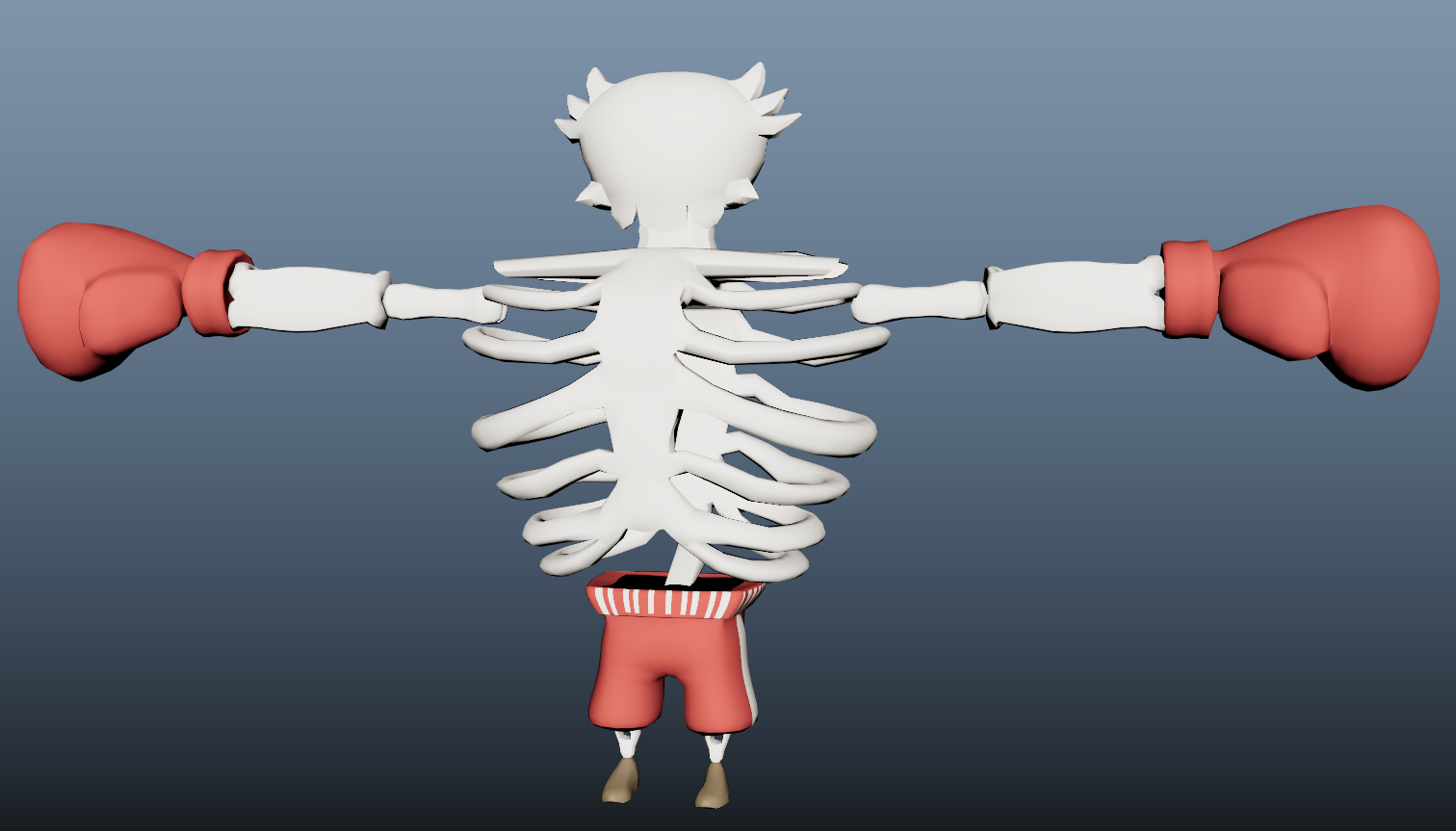
Luchador Final Model