
Interact with the world of Esquelito
By Chase Denoo - Player & Level Design Programmer
Player controls and game feel are important to get right, especially in a game that heavily focuses on movement and rhythm. If the controls are not fluid, the game will not be fun to play and could feel like a chore to get through. For this game, we needed to find controls and actions that were fun to use but also worked with the rhythm-based gameplay. Esquelito’s controls have gone through a lot of changes throughout development to find the controls that felt best.
The first thing we needed to determine was whether we wanted the game to be 2D or 3D. Originally, the player controller was designed to work in a three-dimensional world with 360-degree movement, which involved more complex programming to get other actions to work as intended. We would have had a fixed viewing angle while allowing the player to move towards and away from the camera. During playtesting we ran into issues with players either getting stuck on objects in the level or struggling to dash through enemies due to the camera angle. Because of this, the idea was scrapped in favor of fully two-dimensional movement, which works better for how the game is currently designed and is easier for players to control.
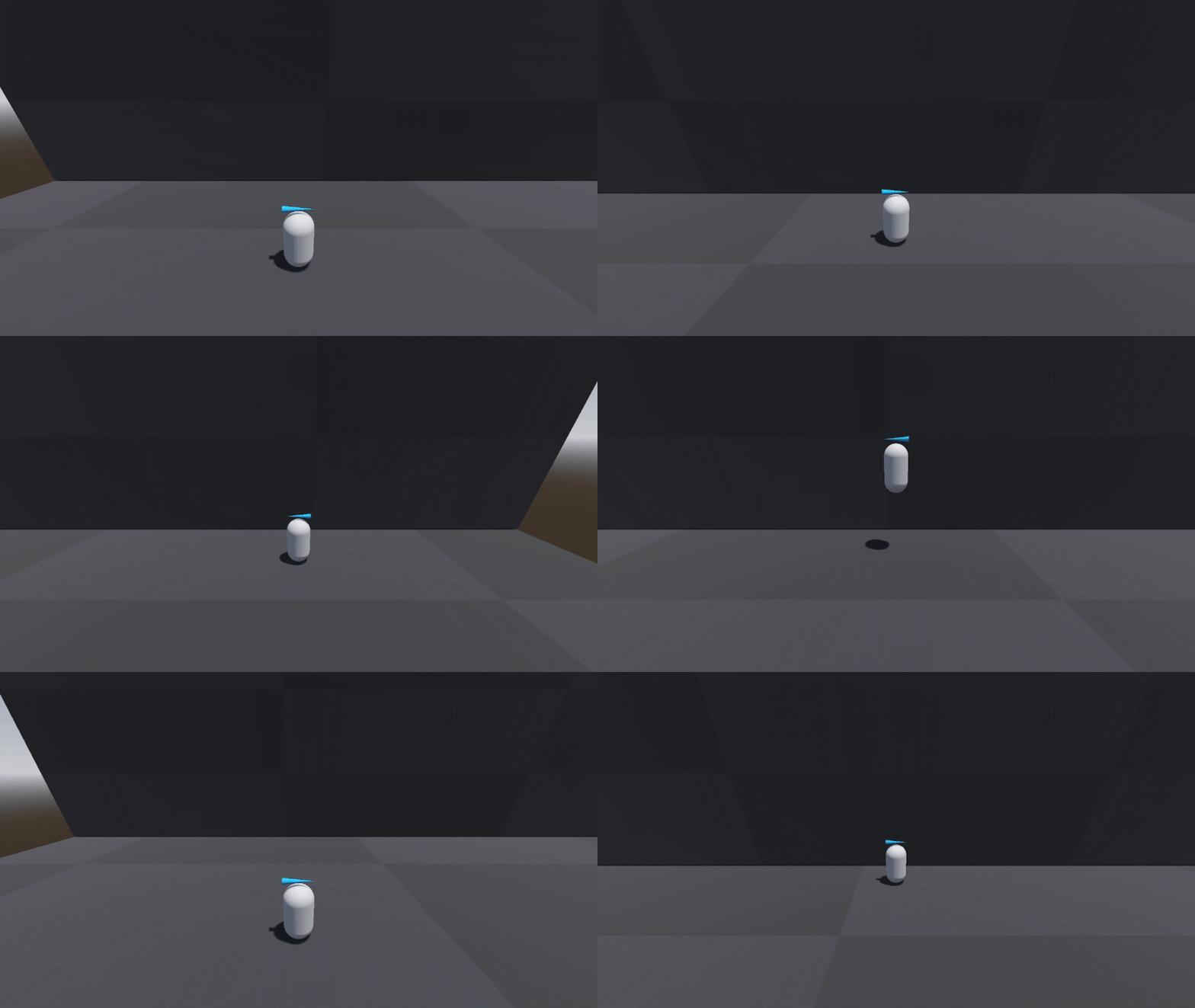
Player movement from the original prototype
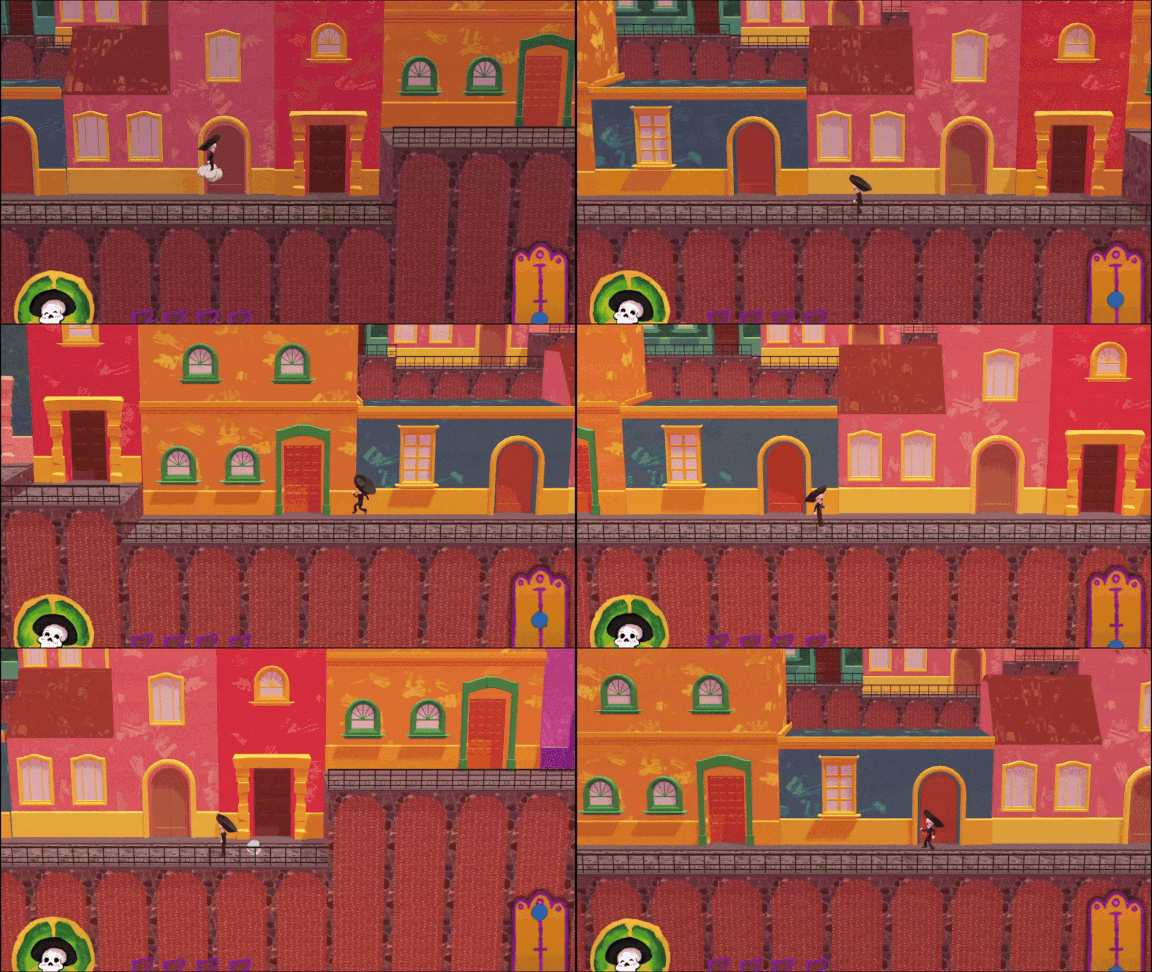
Player movement in current version
Esquelito also has some abilities that he can use which include Jumping, Wall jumping, and Dashing. The bindings for these actions have not changed much during development, but the way the abilities work do. For example, the player was originally intended to jump higher if the jump key or button was held down longer. The intention was to allow players to control their jump height so they could stay on beat, but during playtesting we found that some players would struggle to keep a consistent jump height, making it hard for them to stay on beat and not be able to get mariachi points. The jump height is now consistent with the bpm of the level so that if the player jumps on beat, they should also land on beat which should make it easier for players to jump to the beat.
Another action that has been changed is the wall jump. In earlier iterations, the wall jump was more difficult to pull off. The player would have to tilt the joystick towards the wall to jump off, then tilt it away from the wall to move away from it. We found that the old wall jump was too difficult for some players, especially younger players, due to how quickly the player had to change directions to not get stuck on the wall. Because of this, the wall jump was made easier by allowing the player to stick to the wall and temporarily disable movement inputs when a wall jump is initiated. These changes to the player’s actions have improved the game feel and work better with rhythm-based gameplay.
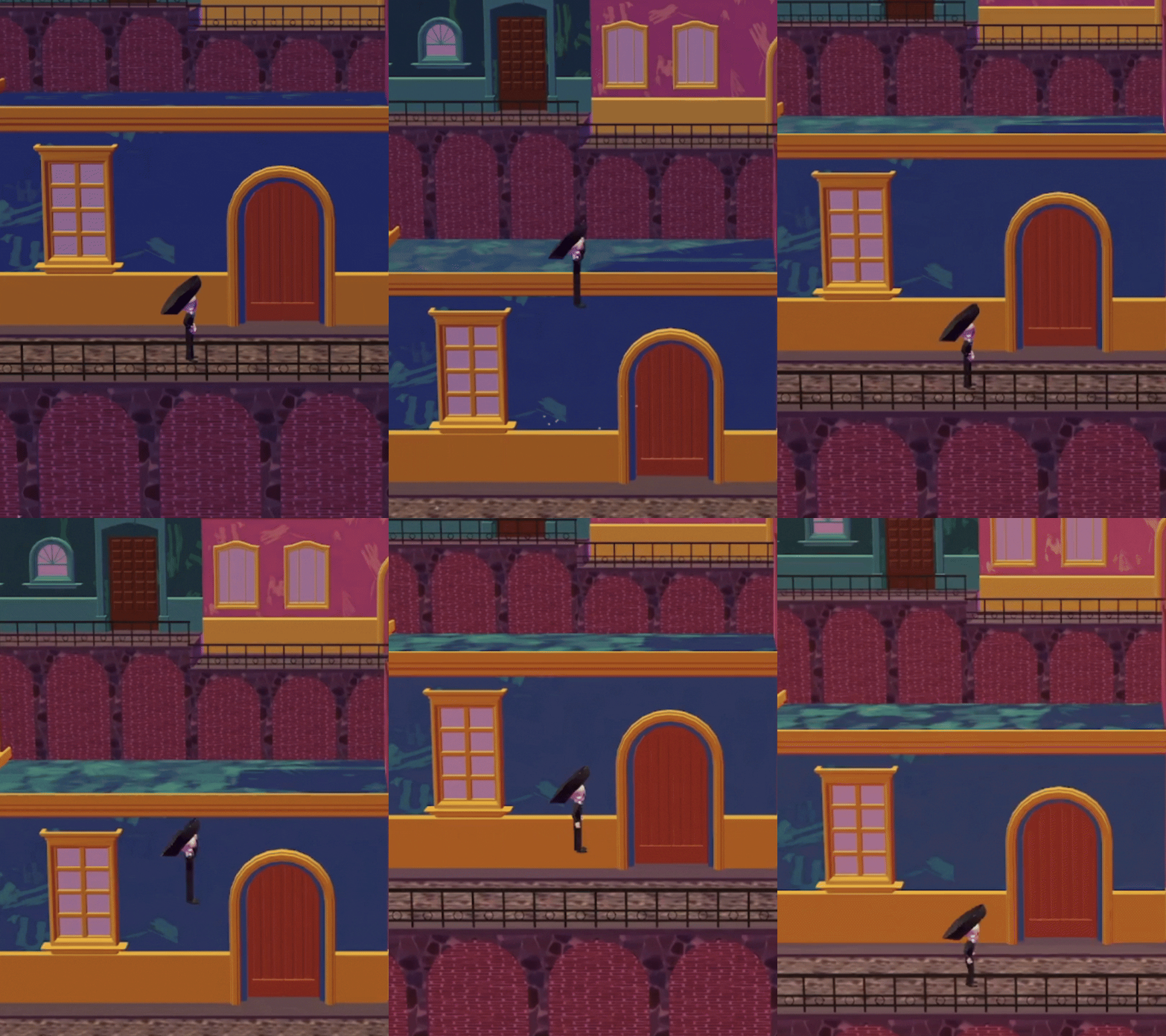
Player Jumping
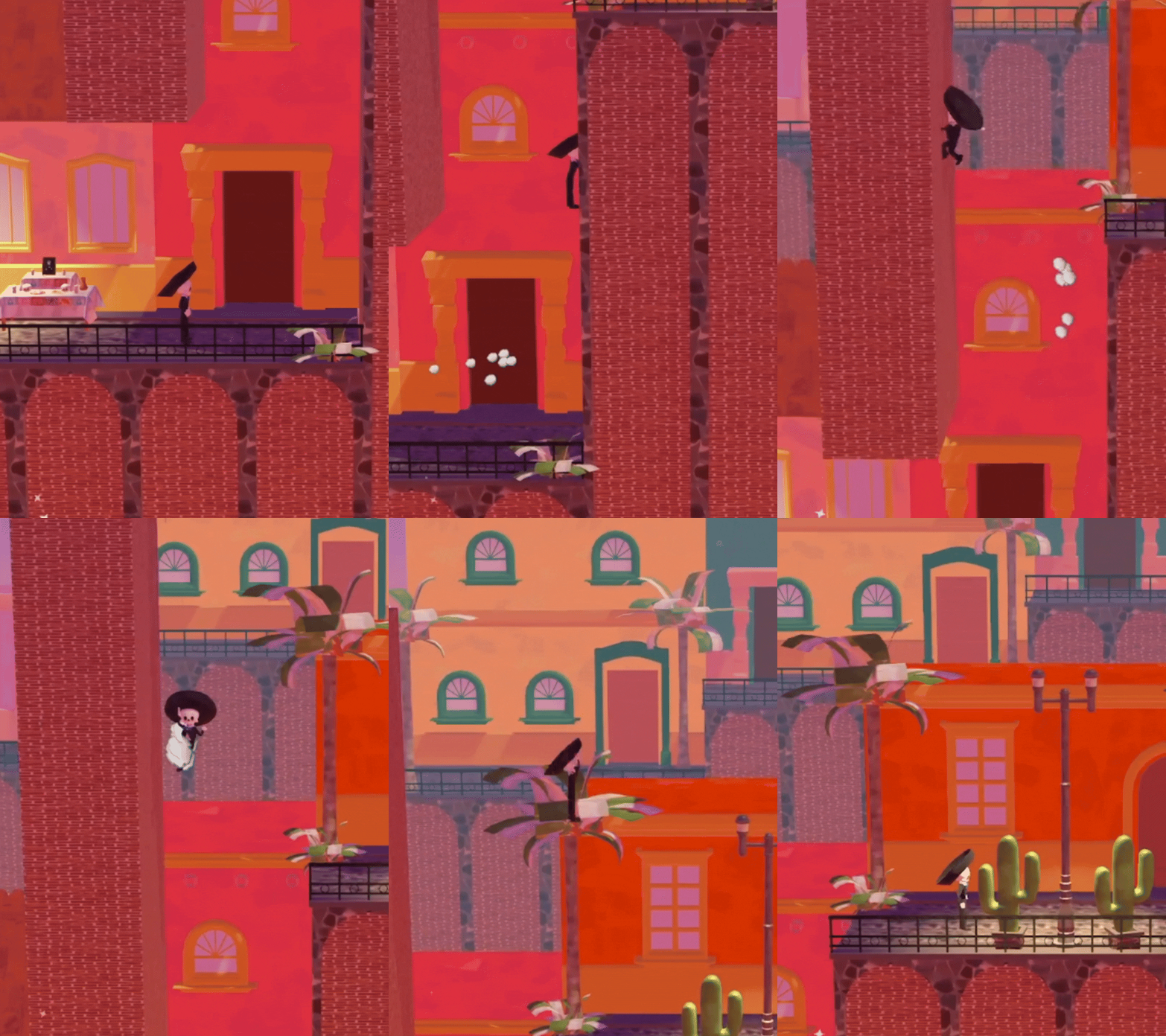
Player Wall Jumping
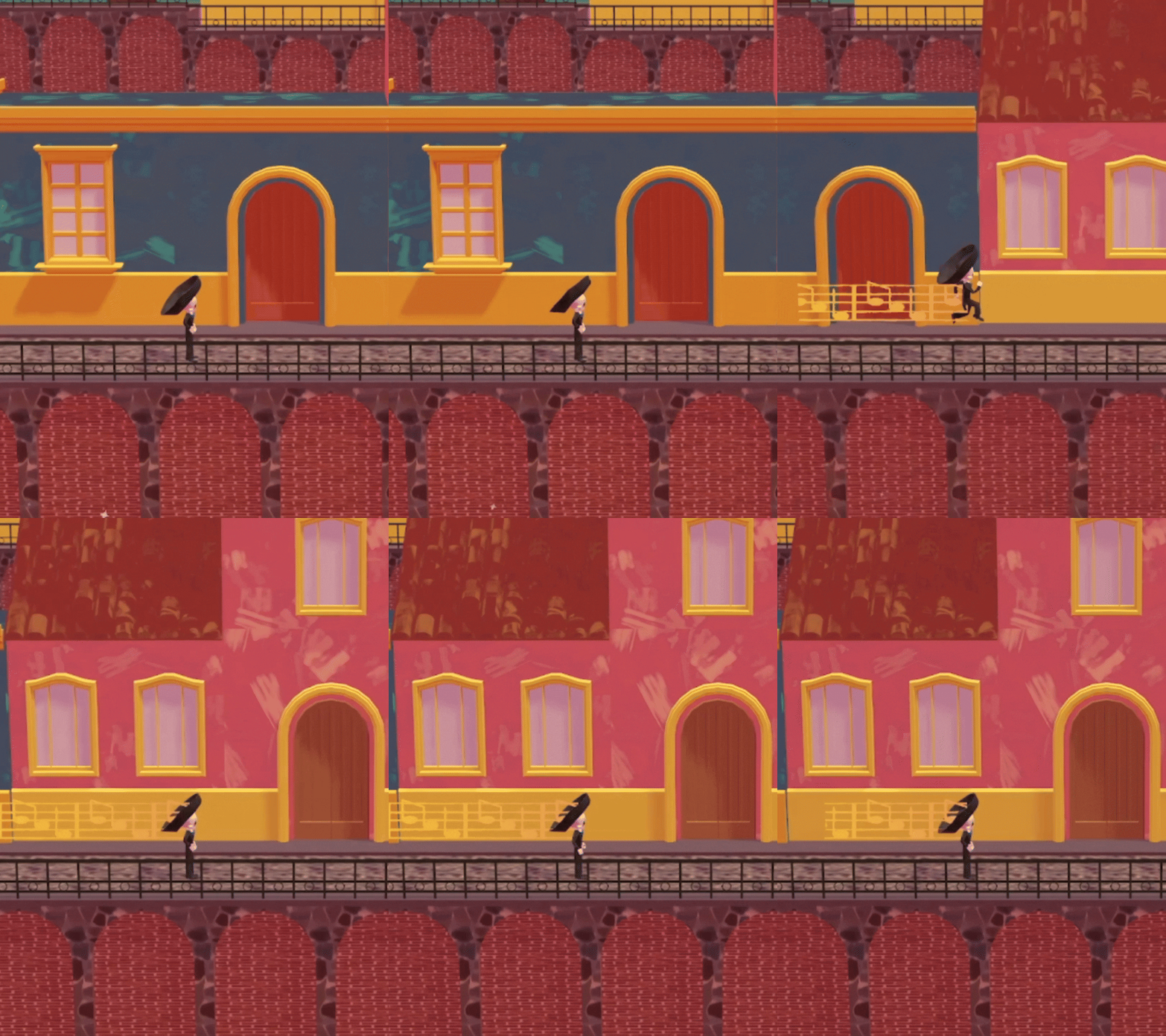
Player Dashing
Player controls are something that requires a lot of testing to get right. In each iteration of the game, actions and movement are adjusted based on feedback in order to achieve fun platforming while allowing the player to easily stay on beat to the music. Even as the game gets closer to release, we expect to continue making small changes or small adjustments for better game feel. In the meantime, “Spread Joy!”