
The impact of user-centric design and playtesting in Esquelito
By Melissa Kosharek - Producer, Game Cycle, Hazard & UI Programmer, Marketing Asst
User Experience has become a more popular term in the ever-evolving digital community. It seems straightforward: how does the user experience the product in front of them? This is an especially important question in game design – video games are typically designed with a focus on entertainment, so it’s important that a game is fun, first and foremost.
One of the big discussions when deciding the direction of Esquelito was the difficulty – something so arbitrary that can’t be quantified yet is so important to the overall experience and will impact how people find the fun and appeal in the game. As a rhythm platformer, we wanted to find the balance between rhythm-focused mechanics alongside fun and engaging platforming. There isn’t one correct answer, so we had to find the best balance for our target audience. After lengthy discussions, we chose to target less seasoned players that may need more guidance on basic controls and mechanics. This helped guide our starting point for our game instead of going straight into design without a plan.
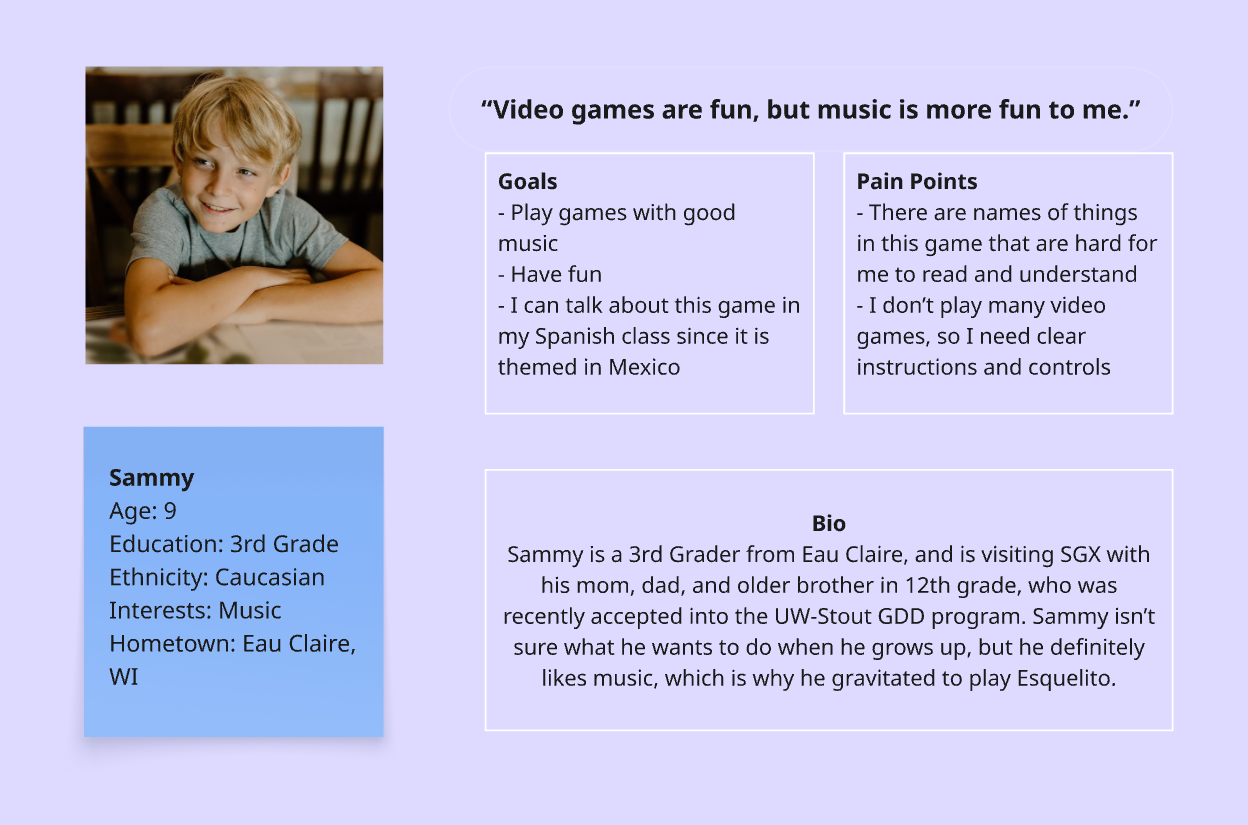
A proto user persona that helped drive the base of our gameplay
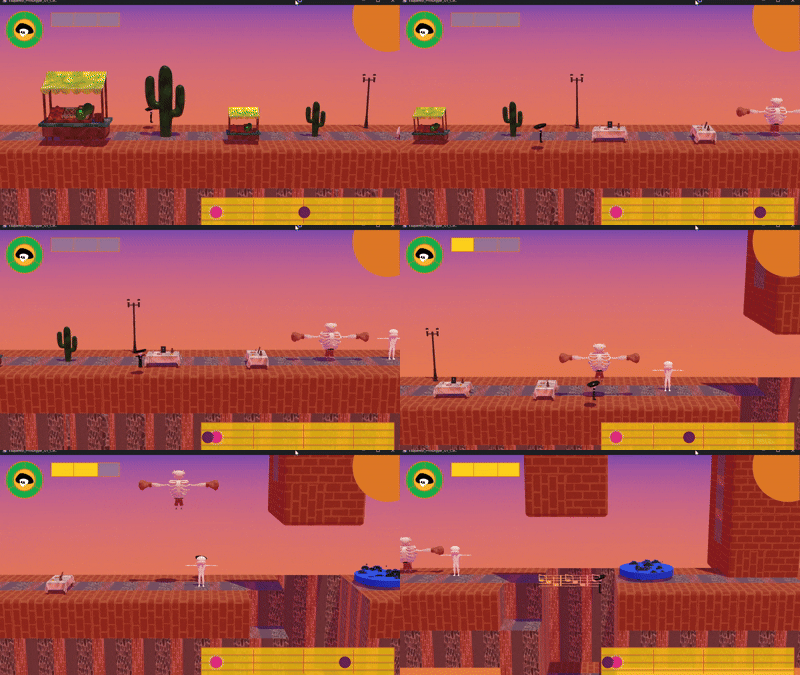
Clip of original movement with depth
After finding a starting point for Esquelito, we got to work creating our game. As we developed our initial assets and functionality, we started getting ready to conduct playtesting, another essential step in creating a successful game. One thing many game developers struggle with is allowing time for early prototype playtesting. Even if nothing is “ready” or “up to standards,” without playtesting, you can’t gauge how an audience will receive your game. We conducted our first playtesting session during our fourth sprint. At this point in development, we had 1 playable level, 2 enemies, and no control diagram. We first let players explore and experiment, then provided guidance to playing and the overall vision for the game once they got a bit more comfortable. This playtest helped us find one fundamental flaw in our game: forward and backward movement in the existing space was unintuitive and a major pain point expressed by many players.
After lots of internal discussion, we ultimately decided to lock depth movement, allowing the player to only move in 2D, which helped us refine level design and have a focus on rhythm over technical platforming in a 3D space. Though the game was unfinished, it was a very informative playtest, and without it, our team likely would have continued designing levels with depth in mind, resulting in more wasted effort in the long run than catching the pain point early.
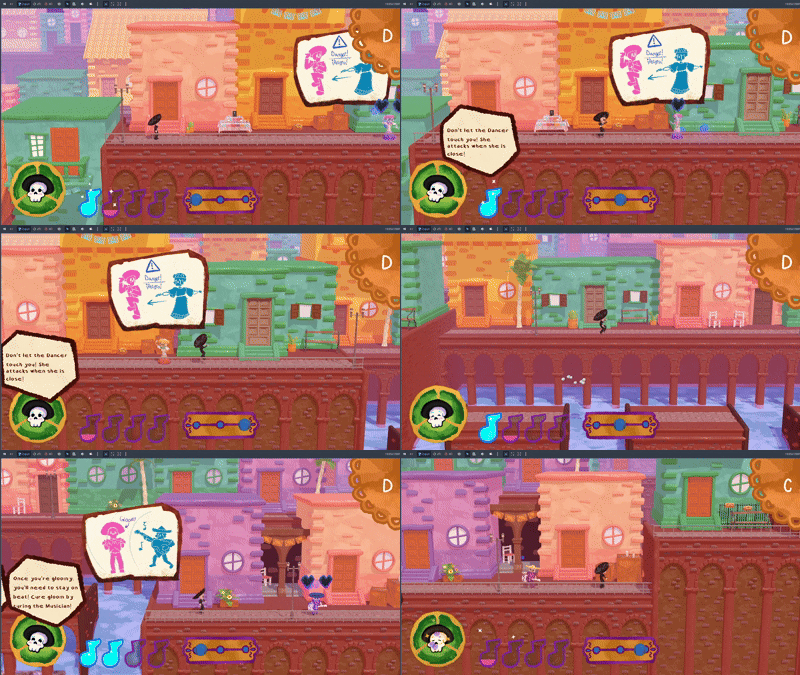
A recent version of our game with gameplay changes based on playtest feedback
You can never playtest enough. In recent sprints, we’ve held 1-2 playtests each sprint (2 weeks) to better our game’s development. As a game gets closer to finish, it’s not as effective to just throw a game in front of people and hope it’s good. Recently, many of our playtests have had specific goals in mind by asking a question to answer through playtesting. Recently, we wanted to focus on the effectiveness and feel of the rhythm. We added more juice to the game including pulsing UI and updated our beat visualizer, so it felt important to test the effectiveness of those changes before continuing. This playtest had more positive insights that the rhythm felt in tune with the game, and although it wasn’t being targeted for testing, there were pain points raised for the existing tutorial system, which caused another system revamp.
This iteration cycle has been the driving force behind many systems in Esquelito, and we are thankful for the dozens of playtesters who have played our game before it was ready to be shown off to the public. We’re so excited to get more people playing our game, and we may make more improvements after release. In the meantime, keep spreading joy!